
Earthquake safety in real estate projects means designing and constructing buildings that can withstand ground movement without serious damage. It includes strong foundations, reinforced concrete, seismic design, and compliance with building safety codes to protect lives and property.
Buying a home or investing in property is an exciting milestone. People usually think about price, location, and design. Today, there is one more positive step that smart buyers take focusing on earthquake safety.
Earthquakes are a natural part of our environment. The good news is that well-built buildings are designed to handle them safely. That is why earthquake safety in real estate projects has become a key advantage for buyers and developers in 2026.
Why Earthquake Safety Is a Smart Choice Today
Cities are growing beautifully, with modern apartments and well-planned communities. This growth makes modern housing safety more important than ever and also more achievable.
A well-designed building:
- Stays strong during ground movement
- Keeps families comfortable and secure
- Maintains long-term property value
Good building safety during earthquakes means fewer repairs, better living quality, and stronger investment value.
Developers who build with safety in mind earn long-lasting trust. Buyers feel confident choosing safe residential buildings that support a secure future.
How Earthquakes Interact with Buildings
During an earthquake, the ground moves gently or strongly for a short time. Buildings are designed to respond to this movement.
Well-built structures:
- Move smoothly without damage
- Absorb energy safely
- Stay stable and usable
This depends on construction quality, design, materials, and soil conditions. Strong structural stability improves building performance during earthquakes and ensures safety.
Construction Features That Improve Earthquake Safety
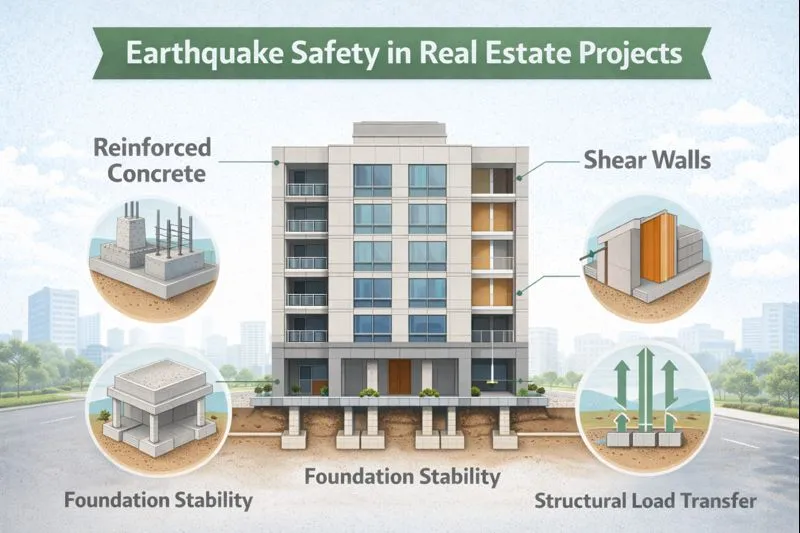 Reinforced Concrete
Reinforced concrete structures combine concrete with steel, creating strength and flexibility together. This plays a key role in seismic safety in construction.
Shear Walls
Shear walls provide extra support against side movement. They help buildings stay steady, especially in apartments and high-rise projects.
Strong Foundations
Good foundation stability starts with soil testing. A strong foundation supports the entire structure and improves safety during ground movement.
What Makes Buildings Earthquake-Resistant?
Smart and Balanced Design
Earthquake resistant buildings are created to move slightly without harm. This approach is called earthquake-resistant design, guided by seismic engineering.
Balanced buildings are flexible yet strong, allowing them to handle shaking smoothly.
Flexible Structure and Smart Force Distribution
Well-designed buildings spread earthquake forces evenly. This process, known as structural load transfer, keeps stress from concentrating in one place.
A ductile building design allows safe bending instead of cracking, which greatly improves safety.
Understanding Different Types of Building Movement
Buildings experience two common types of effects during earthquakes.
Structural Movement
This involves the main strength parts of a building:
- Columns
- Beams
- Foundations
When designed well, these parts work together to keep the building standing strong.
Non-Structural Movement
This may include:
- Small wall cracks
- Glass movement
- Ceiling adjustments
Good design focuses on earthquake damage prevention, reducing both types and keeping homes comfortable.
Simple Earthquake Safety Checklist for Buyers
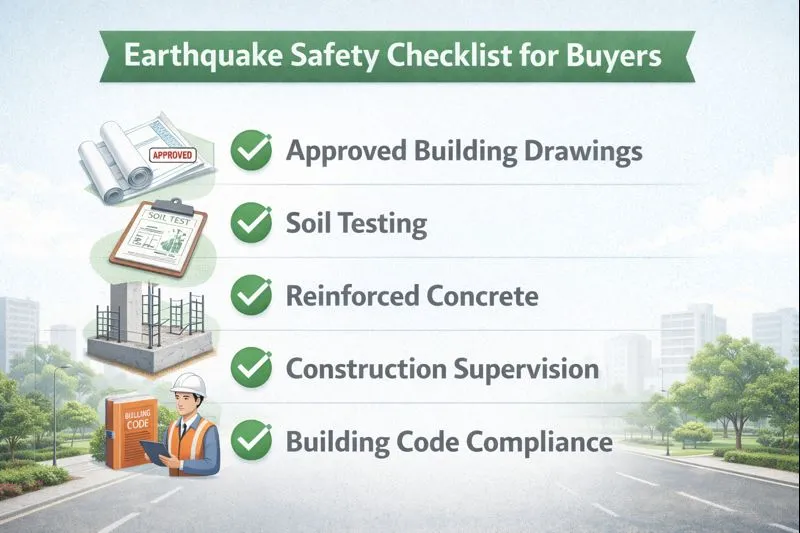
Before buying property, buyers can feel confident by checking:
- Approved building drawings
- Soil test reports
- High-quality construction materials
- Proper construction supervision
- Proof of building code compliance
These steps help buyers choose wisely and enjoy long-term comfort.
The Lahore Development Authority’s Role in Safer Buildings
In Lahore, earthquake safety is not only a design goal, it is also strengthened through regulation. The Lahore Development Authority (LDA) requires projects to follow an approval framework where key submissions, including approved building drawings and structural designs, are reviewed as part of the overall approval process. In simple terms, LDA approval usually means the project has gone through a formal route of checks and documentation, which adds an extra layer of confidence compared to informal or unregulated construction.
That is why, if you are buying in Lahore, a practical approach is to prioritize LDA-approved developments where documentation and structured approvals are part of the process. For example, Mayfair Residencia on Main Canal Road, Lahore is an LDA-approved luxury apartment development and is planned as the home of Hawthorn Suites by Wyndham landing for the first time in Pakistan. For buyers and investors, this blend of regulated approval, professional design discipline, and international hospitality alignment can translate into stronger confidence and long-term value.
Positive Role of Developers in Safe Housing
Responsible developers play a key role in community safety. They focus on:
- Thoughtful design
- Quality materials
- Regular inspections
This commitment supports disaster-resilient real estate development and creates homes people trust. Using certified construction materials such as steel and reinforced concrete strengthens both buildings and buyer confidence.
Sheranwala Developers, a well-regarded name in residential and commercial development in Lahore, follows a safety-first approach to create thoughtfully planned projects that offer long-term comfort, stability, and lasting value. For buyers and investors, this approach brings added peace of mind and confidence in choosing properties built with care, quality, and responsibility.
If you are exploring a well-designed and safety-focused residential or commercial project in Lahore, taking a closer look at developments by Sheranwala Developers can be a positive and informed next step.
Apartments vs Houses: Safety Comparison
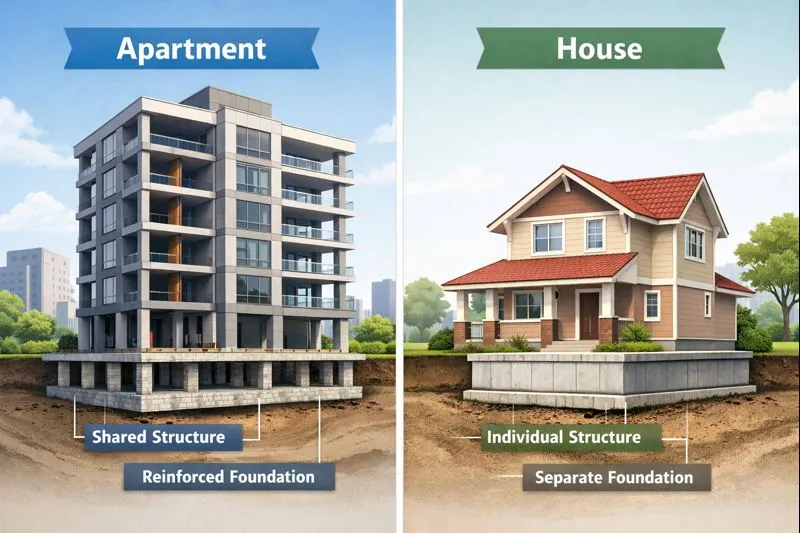
| Feature | Apartments | Independent Houses |
| Design quality | Professional | Builder-dependent |
| Structural support | Shared system | Individual |
| Maintenance | Managed | Owner-managed |
| Safety consistency | High | Varies |
Well-designed apartments often provide excellent housing safety during earthquakes, especially when professionally maintained.
Why Building Codes Create Confidence
Building codes are safety guidelines developed by engineers using real data and experience.
Benefits of Code-Approved Buildings
- Safer living environments
- Lower maintenance costs
- Higher resale value
Following earthquake safety standards helps protect people and property for years to come.
Smart Tips for Buyers
Successful buyers:
- Look beyond price
- Ask safety-related questions
- Review documents carefully
- Choose quality over shortcuts
These smart habits improve urban housing safety and protect long-term investment value.
Benefits of Choosing Earthquake-Safe Properties
Earthquake-safe homes offer:
- Lower repair needs
- Strong resale demand
- Greater buyer confidence
- Daily peace of mind
This makes them a smart and safe housing investment in earthquake zones.
Conclusion
In 2026, earthquake safety in real estate projects is a positive step toward better living. Buyers gain comfort and confidence. , LDA approval project has gone through a formal route of checks and documentation, which adds an extra layer of confidence compared to informal or unregulated construction. Developers build trust and reputation. Together, they help shape safer, stronger cities. Earthquake safety is about smart planning, responsible building, and creating homes where people feel secure every day.
FAQ’s
What makes a building earthquake resistant?
Strong design, quality materials, and proper safety rules.
How can buyers feel confident about safety?
By checking reports, drawings, and developer practices.
Are tall buildings safe during earthquakes?
Yes, when built using seismic design principles.
Do safer buildings cost more?
They may cost slightly more upfront but offer great long-term value.